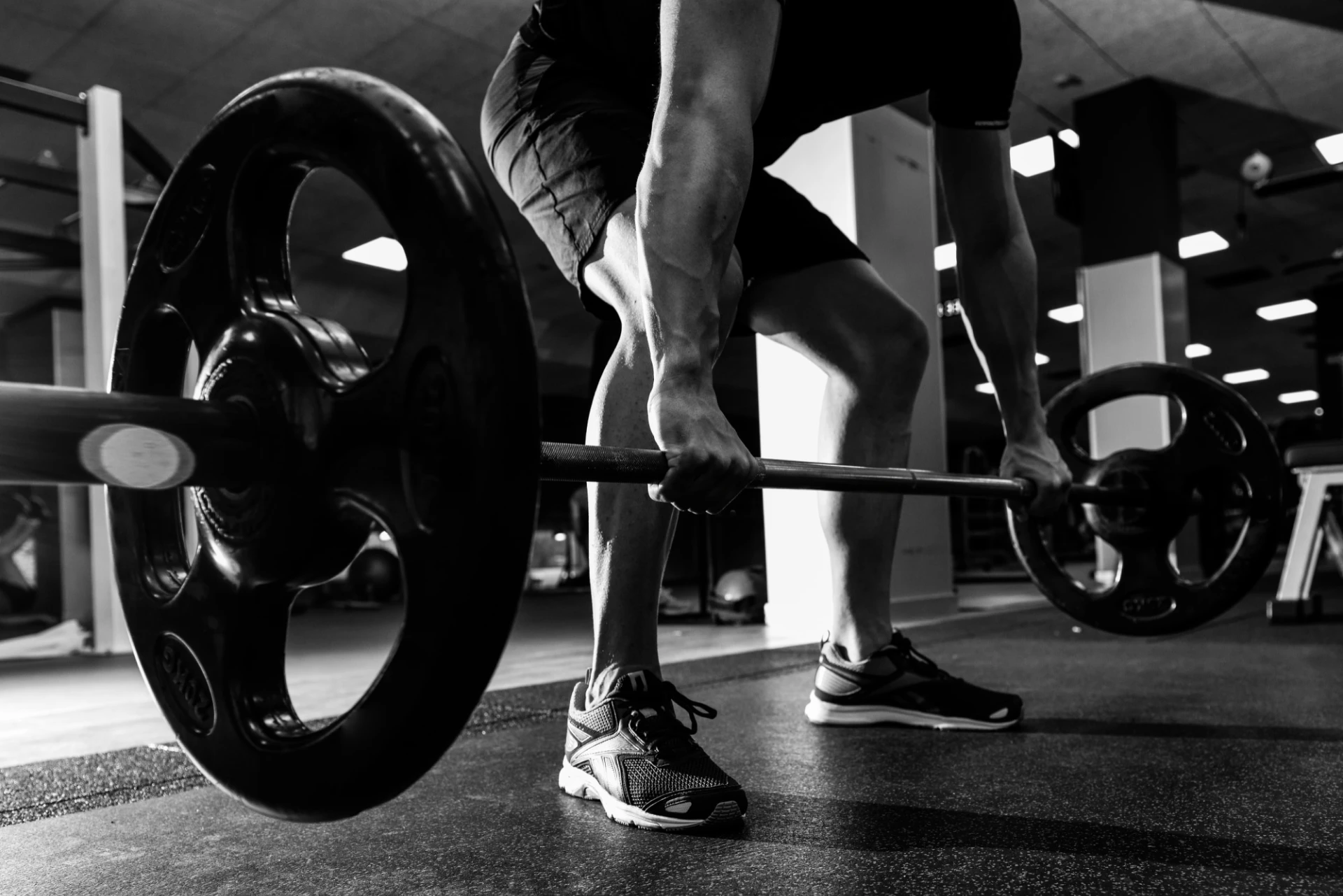


In 2026, stretching remains a cornerstone of any effective fitness routine. With advancements in sports science, wearable recovery tech, and a deeper understanding of muscle physiology, proper pre- and post-workout stretching protocols help athletes of all levels maximize gains while minimizing injury risk.
Why Dynamic Stretching Before Workouts Matters

Dynamic stretching uses controlled, active movements to increase heart rate, blood flow, and muscle temperature. This approach primes your nervous system and improves range of motion, making it ideal for preparing the body for high-intensity training sessions.
Key Benefits of Dynamic Stretching in 2026
- Enhanced Athletic Performance: Greater mobility leads to more powerful and efficient movements.
- Improved Circulation and Warm-Up Efficiency: Faster oxygen delivery to working muscles.
- Injury Prevention: Reduces muscle stiffness and prepares joints for dynamic loads.
Recommended Dynamic Stretches
Incorporate these movements for 5–10 minutes before training:
- Leg Swings: Swing one leg forward and backward in a controlled motion, increasing amplitude gradually.
- Arm Circles: Perform forward and backward circles to loosen shoulders and upper back.
- Lunges with Rotation: Step into a lunge and gently twist your torso toward the front leg.
- High Knees & Butt Kicks: March or jog in place to activate hip flexors and hamstrings.
The Importance of Static Stretching After Exercise

Post-workout static stretching focuses on lengthening muscles while they are warm. Holding positions for 20–60 seconds in 2026 routines promotes recovery, reduces delayed onset muscle soreness (DOMS), and supports long-term flexibility.
Benefits of Static Stretching
Static holds help reset muscle length, flush metabolic waste, and calm the nervous system after intense sessions. Regular practice also contributes to better posture and joint health over time.
Effective Static Stretches to Include
Add these to your cool-down routine:
- Hamstring Stretch: Seated or standing forward fold targeting the back of the thighs.
- Quadriceps Stretch: Pull one foot toward your glutes while keeping hips aligned.
- Calf Stretch: Use a wall or step to gently lengthen the lower leg muscles.
- Shoulder and Triceps Stretches: Cross-body arm pulls and overhead elbow presses for upper body relief.
Enhance Your Routine with Modern Tools
In 2026, stretching is elevated by supportive gear:
- Foam Rollers & Vibration Massage Tools: For myofascial release and faster recovery.
- Resistance Bands: Assist with deeper stretches and added mobility work.
- Smart Yoga Mats & Recovery Apps: Provide guided sessions with real-time form feedback.
Best Practices for 2026
Always warm up lightly before dynamic stretching. Breathe deeply during static holds and never force a stretch to the point of pain. Combine stretching with mobility drills, hydration, and adequate sleep for optimal results. Consistency across weeks and months yields the greatest benefits.
Mastering pre- and post-workout stretching in 2026 will help you train smarter, recover faster, and stay injury-free for the long term.

.jpg)


.jpg)


.png)

.png)