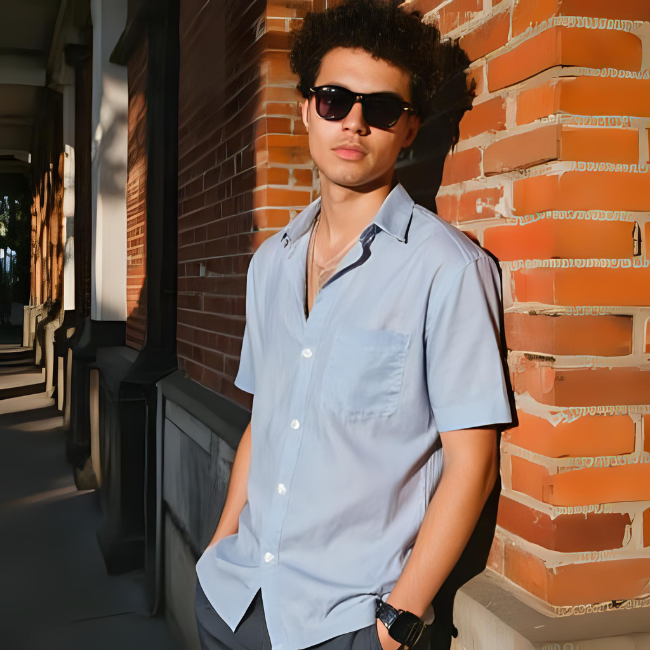

Fall is the best season for men’s style. The air cools, the light softens, and clothes finally have room to do more than just cover you. Layers become useful instead of decorative. Textures matter. Colors deepen. A well-chosen jacket can change how you feel walking down the street.
This guide is for men who want to look intentional without overthinking it. Whether you’re updating a few pieces or rebuilding your cooler-weather wardrobe, you’ll find clear priorities, practical outfit formulas, and real-world advice you can use right away.
Why Men's Fall Fashion Matters
Summer style is mostly about staying cool and looking clean. Fall style is about control and expression. The temperature range gives you options: a light sweater in the morning, a heavier coat by evening. Fabrics get richer. Silhouettes can be more structured without feeling stiff.
Good fall dressing also solves everyday problems. A proper outer layer keeps you comfortable on the commute. The right boots handle wet sidewalks. A few well-chosen pieces let you move from work to dinner without changing. When your clothes work with the season instead of against it, you spend less time adjusting and more time living.
The Simple Framework for Men's Fall Fashion
Think in three layers plus finishing touches. This keeps decisions fast and outfits coherent.

- Base — Shirt, knit, or lightweight long-sleeve that sits closest to the skin.
- Mid-layer — Sweater, overshirt, vest, or light jacket that adds warmth and texture.
- Outer layer — The coat or jacket that faces the weather and defines the silhouette.
- Foundation + Finish — Pants, shoes, and one or two accessories that tie everything together.
Most strong fall outfits follow this structure even if one layer is omitted on milder days. Once you internalize it, putting clothes together becomes almost automatic.
Core Staples Every Man Should Own for Fall
Start here. These pieces form the backbone of a functional fall wardrobe.

- Dark denim or selvedge jeans — Indigo or black. Clean, straight or slight taper.
- Chinos or cotton trousers in olive, khaki, or charcoal.
- Wool or wool-blend trousers for smarter days.
- Oxford cloth button-downs and soft flannel shirts.
- Crewneck and half-zip merino or cotton sweaters.
- A solid mid-weight overshirt (flannel, wool, or brushed cotton).
- White and light-blue tees for layering under everything.

These items mix freely. A flannel shirt under a sweater, an Oxford under a half-zip, jeans with almost anything—these combinations form the daily uniform for cooler weather.
Layering Heroes: The Pieces That Do the Heavy Lifting
Fall rewards texture and depth. These mid-layers add both.
Sweaters

Merino crewnecks are the most versatile. They regulate temperature and look polished under a jacket or alone. Cable knits and heavier fisherman styles work when the temperature drops further. Half-zips give a slightly more technical, modern feel.
Overshirts and Shirt-Jackets

Sometimes called shackets. Wear them open over a tee or closed as a light jacket. Flannel, corduroy, and wool versions all earn their keep. They bridge the gap between shirt and coat.
Vests and Gilets

Useful when you want core warmth without bulk in the arms. Quilted versions pair well with tailored outerwear; knit vests sit neatly under sport coats.
A reliable mid-layer formula:
Base shirt + mid-weight sweater or overshirt + open outer jacket.
This combination handles most autumn days and looks considered rather than thrown together.
Outerwear That Defines the Season

Your outer layer is the most visible decision you make. Choose pieces that match your climate and lifestyle.
| Outerwear Type | Best For | Style Notes |
|---|---|---|
| Field / Barn Jacket | Everyday, casual | Functional pockets, rugged fabric |
| Bomber or Flight | Modern casual | Clean lines, works with jeans |
| Unstructured Blazer | Smart-casual offices | Soft shoulders, easy with knits |
| Trench or Mac | Rain, transitional days | Classic, lengthens the silhouette |
| Wool Overcoat | Colder late fall | Single or double-breasted, timeless |
| Leather or Suede | Statement evenings | Adds edge; choose quality |
Prioritize fit in the shoulders and length that hits at the mid-thigh or just below for most coats. A coat that is slightly roomy accommodates layers underneath without looking oversized.
Footwear and the Details That Finish the Look
Shoes ground the outfit—literally and visually.
Reliable fall footwear options:

- Chelsea boots — The single most useful dress-casual boot.
- Desert or chukka boots — Lighter, great with chinos and jeans.
- Leather sneakers — Clean white or muted tones for casual days.
- Derby or oxford shoes — When the dress code tightens.
- Rugged boots (service or hiking-inspired) — For wetter or more casual settings.
Socks matter more than most men admit. Mid-calf length in merino or cotton blends prevents the awkward gap when you sit. Darker colors or subtle patterns keep the look intentional.
Accessories worth adding:
- A simple leather belt that matches your most-worn shoes.
- A wool or cashmere scarf in a neutral or deep tone.
- A watch with a leather strap (easier to dress up or down than metal).
- A structured tote or leather bag if you carry more than keys and a phone.
One well-chosen accessory usually improves an outfit more than three competing ones.
Outfit Formulas by Occasion
Use these as starting points rather than rigid rules.
Everyday casual

Dark jeans + flannel or Oxford + crewneck sweater + Chelsea boots. Add a field jacket if it’s cool.
Smart-casual work or dinner

Wool trousers + Oxford shirt + merino half-zip or fine-gauge sweater + unstructured blazer + leather derbies or Chelsea boots.
Weekend / outdoor

Chinos or heavier jeans + overshirt + mid-layer knit + rugged boots + optional field jacket or light parka.
Cooler evenings

Swap the mid-layer for a heavier sweater or add a wool overcoat over any of the above. A scarf finishes it cleanly.
These formulas scale. Change the fabric weight or the outer layer and the same core pieces adapt to early September or late November.
Building and Maintaining Your Fall Wardrobe

You do not need everything at once. A practical approach:
- Audit what you already own. Identify gaps in the three-layer system.
- Invest first in the pieces you will wear most—usually a good pair of boots, a versatile sweater, and one solid outer jacket.
- Choose a limited color palette (navy, charcoal, olive, camel, burgundy, cream). This makes mixing automatic.
- Buy the best quality you can reasonably afford in outerwear and footwear; these take the most abuse and last longest when chosen well.
- Store summer clothes properly so they are ready next year and your fall pieces have room.
A small, coherent wardrobe beats a closet full of one-season trends.
Practical Tips That Actually Improve Results
- Fit first. Even expensive clothes look average if the shoulders are wrong or the sleeves are too long.
- Mind the proportions. If the outer layer is voluminous, keep the base and mid-layers closer to the body.
- Texture creates interest. Pair smooth cotton with nubby wool, or denim with corduroy. Monochrome outfits still look rich when fabrics differ.
- Care for natural fibers. Merino and wool resist odor and need less frequent washing. Air them out between wears.
- Test outfits the night before. Fall mornings can be rushed; knowing the combination works removes decision fatigue.
- Adapt to your climate. Mild coastal falls need different weights than inland or northern regions. Buy for the weather you actually experience.
Small adjustments compound. A properly fitting sweater or the right boot height changes how the whole outfit reads.
Closing Thoughts
Men’s fall fashion rewards attention without demanding perfection. Focus on a few strong pieces that work together, respect the weather, and favor quality over quantity. The goal is not to look like you spent hours getting dressed—it is to look like a man who knows what he is doing and feels comfortable doing it.
Start with the framework, fill the gaps that matter most to your life, and refine as the season progresses. The clothes will do the rest.
.jpg)
.jpg)


.png)
.png)