


Fall brings cooler temperatures, changing scenery, and an ideal opportunity to spend more time outdoors. For many men, it is also one of the most enjoyable seasons for sports. Summer heat begins to fade, winter has not yet arrived, and there are plenty of ways to stay active.
Whether you prefer the competition of football, the pace of soccer, the strategy of baseball, or the individual challenge of tennis, men’s fall sports offer something for nearly every type of athlete. Even if you are not playing organized games, fall is a great time to build a consistent training routine, improve your conditioning, or simply enjoy being outside.
The key is choosing activities that match your interests, schedule, and fitness level. From team sports to individual training, this guide explores practical ways to make the most of the fall sports season.
Why Men’s Fall Sports Are Worth Exploring
Fall sports have a unique appeal because they combine physical activity with a seasonal change in environment. Cooler weather can make outdoor workouts and recreational games more comfortable, while shorter days encourage you to plan activities intentionally.

Playing sports can also add variety to a routine. Instead of repeating the same workout every week, you can mix strength training, conditioning, skill work, and recreational games.
A balanced fall routine might include:
- Team sports for competition and social activity
- Individual sports for skill development and flexibility
- Outdoor training for conditioning and endurance
- Recovery days to maintain consistency
The goal does not have to be competition. Fall can simply be a season to move more, try something different, and establish habits that carry into winter.
A Simple Formula for Choosing a Fall Sport
The best sport is not necessarily the one that burns the most calories or requires the highest level of athletic ability. It is the activity you can enjoy consistently.

Use this simple formula:
Interest + Accessibility + Appropriate Challenge = Sustainable Fall Sport
Ask yourself three questions:
- What do I actually enjoy?
Choose a sport you look forward to rather than something you feel obligated to do. - Can I participate regularly?
Consider location, equipment, weather, teammates, and available time. - Does the challenge fit my current level?
You should be challenged without feeling that every session is overwhelming.
| Sport | Best For | Training Focus | Setting |
|---|---|---|---|
| Football | Team competition | Speed, agility, power | Outdoor |
| Soccer | Endurance and skill | Running, coordination | Outdoor |
| Baseball | Skill and strategy | Throwing, hitting, agility | Outdoor |
| Basketball | Fast-paced play | Agility, jumping, conditioning | Indoor/Outdoor |
| Tennis | Individual competition | Footwork, reaction, technique | Outdoor/Indoor |
| Fall Training | Overall fitness | Strength, mobility, conditioning | Indoor/Outdoor |
Once you know what you want from the season, choosing the right activity becomes much easier.
Fall Football: Power, Speed, and Team Play
Football is one of the sports most closely associated with fall. The combination of cooler weather, outdoor fields, and team competition creates a distinctive seasonal atmosphere.
For recreational players, football does not have to mean joining a formal league. Casual flag football or pickup games can provide plenty of movement while keeping the emphasis on fun.

Build Football-Specific Skills
Football involves more than strength. Players need acceleration, coordination, quick reactions, and the ability to change direction.
A simple practice session could include:
- Short acceleration drills
- Lateral movement exercises
- Catching and passing practice
- Controlled agility drills
- Short intervals followed by recovery
If you are returning to football after a long break, gradually increase your activity rather than immediately playing at full intensity.
Make Fall Football More Enjoyable
The cooler season is particularly well suited to group activities. Organize casual games with friends, rotate positions, and keep the format flexible enough for different skill levels.
The social element can make football a consistent part of your fall routine rather than an occasional activity.
Fall Soccer: Endurance Meets Technique
Soccer is another excellent choice for men looking for a combination of endurance, coordination, and technical skill.

A typical game involves continuous movement, short bursts of speed, changes of direction, and frequent decision-making. That variety makes soccer feel different from a traditional gym workout.
Improve Your Soccer Routine
You do not need a full team to practice basic skills. A ball and some open space are enough for individual sessions.
Work on:
- Ball control with both feet
- Short passing against a wall or partner
- Dribbling through simple markers
- Acceleration over short distances
- Change of direction at controlled speeds
A useful fall soccer session can alternate technical work with short periods of conditioning.
Simple Soccer Formula:
5 minutes warm-up → 10 minutes ball control → 10 minutes passing → 10 minutes movement drills → 5 minutes easy recovery.
The emphasis should be on consistency and quality rather than trying to make every session exhausting.
Fall Baseball: Skill, Timing, and Strategy
Baseball may be associated with spring and summer, but fall can offer a different and enjoyable environment for playing or practicing the sport.
For recreational players, fall baseball can be especially appealing because the pace allows you to focus on technique. Throwing, hitting, fielding, and base running each provide opportunities to work on specific skills.
Focus on Fundamentals
If you are practicing on your own, concentrate on one or two skills at a time.
For example:
- Hitting: Focus on balance and controlled swings.
- Throwing: Work on accuracy before increasing distance.
- Fielding: Practice positioning and clean movement.
- Running: Use short, controlled acceleration drills.
Baseball is also a good option for people who enjoy sports that combine physical activity with strategy and concentration.
Fall Basketball: Keep Moving as the Weather Changes
As temperatures drop, basketball becomes an increasingly convenient option. Outdoor courts can still be enjoyable during mild fall weather, while indoor facilities provide an alternative when conditions are less comfortable.

Basketball combines quick movement, coordination, balance, and repeated bursts of activity.
A casual session might include:
- Dynamic warm-up
- Ball-handling drills
- Shooting practice
- Defensive footwork
- Short pickup games
If you play regularly, alternate higher-intensity games with lighter skill sessions. This allows you to stay active without making every day a demanding workout.
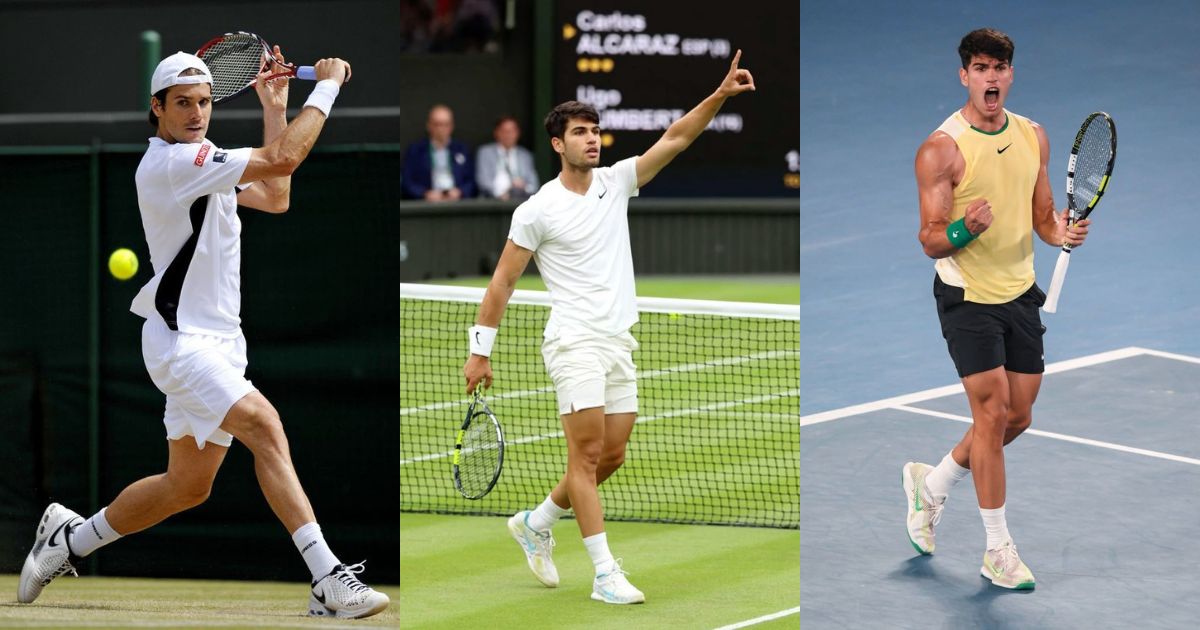
Fall Tennis: A Great Time for Skill Development
Tennis is particularly rewarding during the fall because cooler outdoor conditions can make longer sessions more comfortable.

Unlike team sports, tennis also gives you considerable flexibility. You can practice alone, work with a partner, take part in recreational matches, or focus on specific technical skills.
Build a Better Tennis Session
Rather than simply hitting for an hour, divide your session into sections.
Step-by-step tennis practice:
- Start with several minutes of dynamic movement.
- Practice controlled groundstrokes.
- Add directional shots.
- Work on serving technique.
- Finish with points or a short match.
- Cool down with easy movement.
Footwork deserves special attention. Good positioning can make your strokes more consistent and reduce unnecessary movement around the court.
Fall Training: Build a Stronger Foundation
Not every fall activity needs to be a sport. A structured training program can help you prepare for sports while also maintaining general fitness.

A balanced fall training routine can combine three areas:
Strength
Use movements that train major muscle groups, such as squats, presses, rows, hinges, and controlled bodyweight exercises.
Conditioning
Include activities such as brisk walking, running, cycling, or short intervals depending on your experience and goals.
Mobility
Regular mobility work can help you move comfortably through different sports and training sessions.
A simple weekly structure could look like this:
| Day | Activity |
|---|---|
| Monday | Strength training |
| Tuesday | Soccer, football, or conditioning |
| Wednesday | Mobility or easy activity |
| Thursday | Strength training |
| Friday | Tennis, basketball, or skill practice |
| Saturday | Outdoor sport |
| Sunday | Rest or gentle movement |
The schedule is only a framework. Adjust the frequency and intensity according to your experience, schedule, and recovery.
How to Prepare for Outdoor Fall Sports
Fall weather can change quickly, so preparation matters. You may start a session in cool conditions and finish as temperatures shift.

Dress in layers that can be removed as you warm up. Comfortable athletic clothing should allow unrestricted movement without creating unnecessary bulk.
Before outdoor sessions, also consider:
- Checking the weather
- Choosing appropriate footwear
- Bringing water
- Allowing enough time to warm up
- Adjusting the session for changing conditions
- Having a backup indoor activity when necessary
A proper warm-up is especially useful when temperatures are lower. Start with easy movement before progressing to faster or more demanding activities.
Practical Tips for a Successful Fall Sports Routine
The biggest mistake is trying to do everything at once. Pick one or two primary activities and build around them.
Keep Your Goals Simple
Instead of setting an unrealistic target, choose measurable habits such as:
- Playing twice per week
- Practicing a specific skill for 20 minutes
- Adding one strength session
- Walking or cycling on recovery days
- Spending more time outdoors
Prioritize Consistency
A moderate routine that you maintain throughout the season is more useful than an ambitious schedule that lasts only a few weeks.
Mix Sports and Training
Cross-training can keep your routine interesting. For example, a soccer player might add strength training, while a tennis player could incorporate mobility and conditioning.
Pay Attention to Recovery
Rest is part of a good sports routine. If you are participating in several demanding activities, include easier days between harder sessions.
Adapt to Your Experience
Beginners should focus on learning movement patterns and building consistency. More experienced athletes can gradually increase training volume, intensity, or technical complexity.
The best fall routine is one that challenges you while remaining realistic enough to maintain.
Making the Most of the Fall Sports Season
There is no single definition of men’s fall sports. For one person, it might mean joining a football game every weekend. For another, it could mean playing tennis after work, shooting basketball outdoors, or following a simple strength program at home.

The variety is what makes fall such a useful season for staying active. You can combine competitive sports with casual recreation and structured training without committing your entire schedule to one activity.
Try choosing one team sport, one individual activity, and one form of training. That combination provides variety while giving you enough structure to stay consistent.
Conclusion
Fall offers a natural opportunity to refresh your sports routine. Cooler conditions, outdoor activities, and a wide range of recreational options make it easy to stay active without relying on the same workout every week.
Whether your preference is fall football, soccer, baseball, basketball, tennis, or structured fall training, focus on activities that are enjoyable, accessible, and appropriate for your current level.
You do not need a complicated program to make the season worthwhile. Choose activities you genuinely enjoy, prepare for the weather, give yourself time to improve, and keep your routine flexible.
The most successful fall sports routine is ultimately the one you can look forward to—and keep doing throughout the season.

.jpg)
.jpg)


.png)
.png)