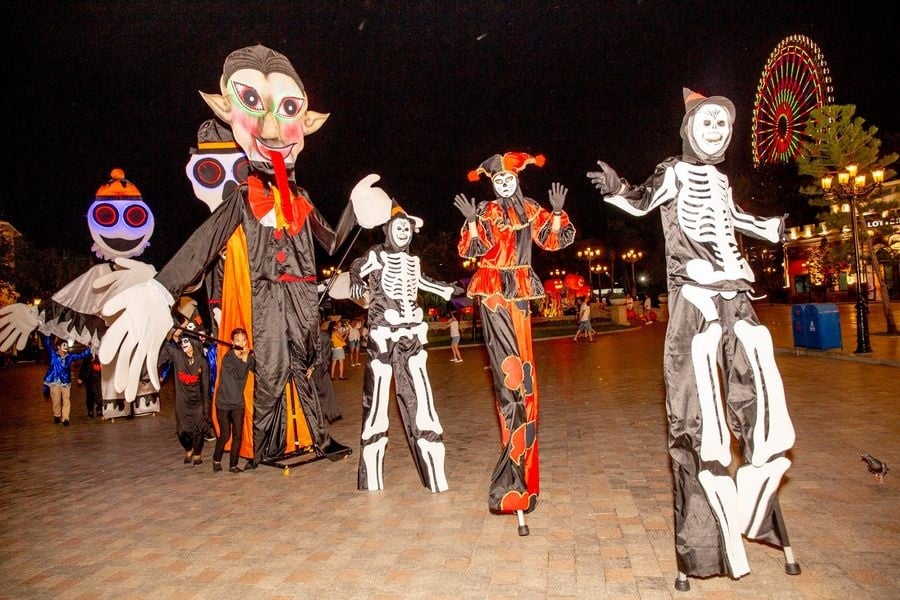
Halloween is one of the few nights when men are actively encouraged to play with identity. Yet many end up in the same tired options: a generic “sexy” version of a job, a plastic mask that fogs up, or a last-minute sheet with eye holes. The result often feels either childish or uncomfortable by 10 p.m.
It doesn’t have to be that way. A good men’s Halloween costume works like strong everyday style—it fits well, feels intentional, and lets you move through the night without constant adjustment. This guide focuses on costumes that look considered, photograph well, and still allow you to enjoy the party.
Why Men’s Halloween Costumes Matter

A costume sets the tone for how people interact with you. A well-executed look invites conversation. A poorly fitting or half-hearted one can make you feel self-conscious. Beyond the social side, the right costume also solves practical problems: temperature changes between indoor and outdoor spaces, the need to sit, dance, or stand for hours, and the desire to look like yourself rather than a walking novelty item.
Good costume choices also respect your existing wardrobe. Many of the strongest options build on clothes you already own and simply add a few key pieces or styling tweaks. That approach saves money and usually produces a more natural result than starting from a complete polyester kit.
The Simple Framework for Choosing a Costume

Use this four-part filter before you commit:
- Comfort first — Can you wear it for 4–6 hours without itching, overheating, or constantly fixing it?
- Character clarity — Will people understand the reference within a few seconds?
- Personal fit — Does the look suit your body type, face, and usual style, or does it fight against them?
- Exit strategy — Can you remove or tone down parts of the costume if the night shifts from party to late dinner or after-party?
If an idea fails two or more of these tests, keep looking. The best costumes pass all four.
Easy and Low-Effort Options That Still Look Intentional
These ideas require minimal shopping and can often be pulled together from what you already own plus one or two targeted pieces.
- The Elevated Vampire — Black turtleneck or dress shirt, tailored black trousers or dark jeans, a structured black coat or blazer, and slicked hair. Add subtle red accents (pocket square, socks, or a dark red lip if you’re open to light makeup). Avoid plastic fangs if possible; the silhouette does the work.

- Classic Detective or Noir Figure — Trench coat or long overcoat, white shirt, dark tie, fedora or similar hat, and leather shoes. Carry a notebook or old-style camera prop.

- Modern Cowboy — Dark jeans, plain white or black tee, leather or faux-leather jacket, boots, and a simple hat. Keep accessories minimal so it reads as style rather than costume-store cliché.

- Academic or Professor — Corduroy or tweed blazer, Oxford shirt, knit tie or no tie, glasses (real or frames only), and a book under one arm.

- Tech Founder Gone Rogue — Black turtleneck, dark jeans or chinos, clean sneakers or Chelsea boots, and a minimalist backpack or crossbody bag. Optional: a small “prototype” prop.

These looks succeed because they start with real clothing proportions and simply push the styling one step further.
Classic Characters with a Grown-Up Twist
Timeless references still work when updated for adult proportions and modern fabrics.
James Bond / Spy

Black or midnight-blue suit (or a strong navy alternative), white shirt, thin black tie, and polished shoes. Skip the gadget overload. A simple martini glass prop or nothing at all keeps it elegant.
Vampire (Again, but Sharper)

Move beyond the cape-and-collar version. Focus on a lean black silhouette, controlled hair, and perhaps a single piece of meaningful jewelry. The goal is quiet menace rather than theatrical drama.
Pirate Captain (Refined)

Dark trousers, a well-fitted waistcoat or structured vest, white shirt with the collar open, boots, and a quality hat. Limit the accessories to one or two strong pieces so the look doesn’t tip into cartoon territory.
Historical Gentleman

Think 1920s–1940s: high-waisted trousers, suspenders, a crisp shirt, and a period-appropriate jacket or cardigan. Add a pocket watch or simple hat if it feels natural.
The common thread is restraint. One strong silhouette plus careful grooming usually outperforms heavy prop loads.
Pop Culture and Character Options That Age Well
Choose references that remain recognizable without requiring perfect replication of every detail.

- Quiet anti-hero types (think controlled intensity rather than full cosplay).
- Well-dressed villains from film or television who already wear tailored clothing.
- Iconic musicians whose stage style translates into wearable pieces (think structured jackets, distinctive shirts, or signature accessories).
- Literary or film detectives who rely more on attitude and a few key garments than on elaborate makeup.
When selecting a pop-culture costume, ask whether the character’s clothing could plausibly exist in a modern wardrobe. If the answer is yes, you are more likely to end up with something flattering.
Group and Couple-Friendly Ideas
Coordinating with others raises the bar for coherence.
Strong approaches include:
- Shared color palette and era (everyone in variations of 1940s tailoring, for example).
- Complementary roles that still allow individual personality (a detective and a source, a captain and first mate with distinct but related silhouettes).
- Matching levels of effort so no one looks like they tried significantly harder or less hard than the others.
Avoid ideas that require one person to wear something dramatically less comfortable or more revealing than the rest of the group. Balance keeps the night enjoyable for everyone.
Elevated and Sophisticated Directions
For men who prefer understated impact:
- Monochrome black or charcoal with deliberate texture differences (matte wool against subtle sheen, soft knit against structured outer layer).

- Single strong reference executed through cut and fabric rather than literal props.
- Grooming as the main effect — precise hair, controlled facial hair, and clean skin can carry a minimal costume further than most accessories.
These options photograph especially well and transition more easily if plans change mid-evening.
Make-Ahead and Prep Strategy
Treat costume preparation like any other style project.
- Decide on the direction at least one to two weeks ahead when possible.
- Pull candidate pieces from your own closet first.
- Identify the one or two items you actually need to buy or borrow.
- Test the full outfit—including shoes—around the house for at least 30–45 minutes. Walk, sit, and raise your arms.
- Plan grooming the day of: hair, facial hair, and any subtle makeup or effects.
- Prepare a small “repair kit” (fashion tape, safety pins, blotting papers, a portable phone charger).
Doing the discomfort test early prevents the common problem of discovering a costume is unwearable only after you’ve left the house.
Quick Assembly Formula
Base clothing you already own + one defining outer piece + one clarifying accessory or grooming choice = complete costume.
This formula keeps costs down and results looking more natural.
Practical Tips for Better Results

- Prioritize fit over literal accuracy. A slightly imperfect reference that sits well on your body beats a perfect replica that looks baggy or tight.
- Consider the temperature range of your plans. Layers you can add or remove are more useful than a single heavy piece.
- Shoes matter more than most men expect. Uncomfortable footwear ruins otherwise strong costumes faster than almost anything else.
- Keep your face visible and comfortable. Heavy masks limit conversation and can become hot or foggy.
- Have a simple “de-costume” plan—something you can remove or cover so you can move to a later part of the night without looking out of place.
- Take a full-length photo in natural light before you leave. It reveals proportion issues that mirrors sometimes miss.
Small practical choices compound into a night that feels easier and more confident.
Closing Thoughts
The best men’s Halloween costumes share the same qualities as good everyday style: they fit the wearer, respect the context, and leave room for personality. You do not need the most expensive or elaborate option. You need a clear idea, clothes that work with your body, and enough comfort to forget you’re wearing a costume after the first hour.
Choose something that feels like a sharper, more intentional version of yourself—or a version you enjoy borrowing for one night. Then put it on, step out, and let the evening happen. The clothes will support the experience instead of becoming the main event.
.jpg)


.jpg)


.png)
.png)