Every summer, a predictable wave of golf equipment marketing hits at once. Fourth of July sales, Amazon Prime Day golf deals, end-of-summer clearance events. The same retailers. The same categories. The same headline discounts on the same products that were already discounted three months ago.
Most golfers follow that wave and end up paying more than they needed to, on products that were not necessarily the best fit for their game, because the obvious summer golf deals are engineered to move volume, not to serve the buyer.
The summer golf deals worth knowing about in 2026 are the ones that exist outside that cycle. Prior year models sitting in inventory at a fraction of the current model's price. Demo clubs that were used twice at a fitting event and are now functionally identical to new at 40 percent off. Certified pre-owned equipment from manufacturer programs that carry actual warranties. Trade-in programs that subsidize your next purchase in ways that the retailer's advertised discount never could.
These deals exist every summer. Most golfers walk past them entirely. Here is where they actually are in 2026.
1. Prior Year Driver Models: The Single Best Value in Golf Equipment
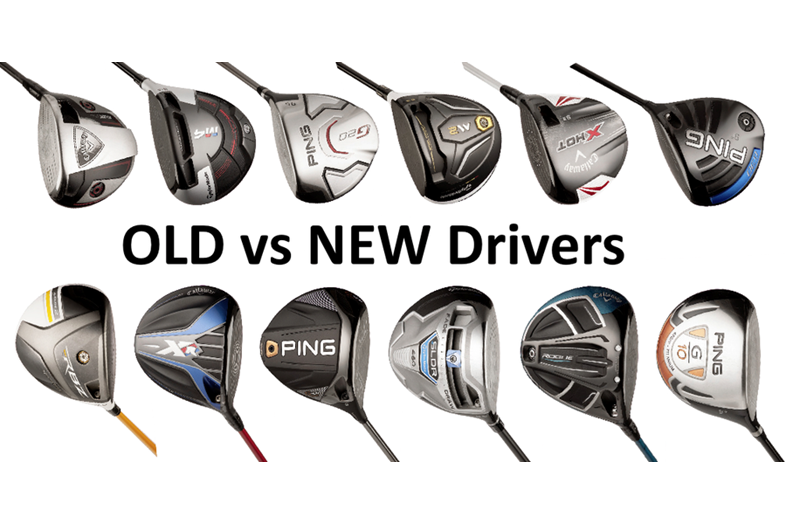
The golf equipment industry runs on an annual new model cycle. Every year, the major OEMs release updated drivers with incremental technology improvements, and every year, the previous generation drops in price by an amount that is rarely proportional to the performance difference between the two.
The actual performance gap between a 2025 driver and a 2026 driver for the average recreational golfer is minimal. Both are built to USGA and R&A conformance standards that cap ball speed and Coefficient of Restitution, which means neither club can outperform the legal limit regardless of what the marketing materials suggest. The 2026 model may have a refined sound profile, an updated aesthetic, or a slightly adjusted center of gravity weighting. It will not hit the ball meaningfully farther for most golfers.
What changes dramatically is the price. A 2025 driver that was $599 new in January 2026 is now $299 to $349 at most major golf retailers running summer clearance to make shelf space for the incoming fall lineup. The club hitting that driver is the same club. The discount is real and significant.
The summer window specifically matters here because golf retailers operate on a retail calendar that peaks in spring and troughs in late summer. When fall models are announced in August and September, the summer clearance on prior year drivers is at its deepest. If you are buying a driver in 2026, the period from July through September is when prior year inventory hits its floor price.
Retailers to check: Golf Galaxy, PGA Tour Superstore, GlobalGolf, and the individual OEM websites including TaylorMade, Callaway, Titleist, and Ping all run prior year clearance sections that are worth bookmarking and checking monthly through the summer.
2. Demo Clubs from Fitting Centers: Used Once, Priced Like a Used Set
Golf fitting centers run demo days, manufacturer events, and on-site fitting sessions throughout the season. The clubs used in these sessions are often swung a handful of times by customers who were ultimately fit into a different specification, and then they are retired from the demo inventory when the fitting center rotates to the next model cycle.
Those clubs are functionally new. They have been hit a limited number of times, they have not been played on a course, and they carry no meaningful wear. The shafts are unscuffed, the grips are original, and the faces show little to no evidence of repeated contact.
Demo clubs typically sell at 30 to 50 percent below the retail price of an equivalent new club in the same specification. At a quality fitting center, demo inventory is rotated regularly and priced honestly. At a manufacturer-direct fitting facility, demo clubs occasionally carry a form of certification that makes the discount even more credible.
The challenge is that demo clubs are not consistently listed online or advertised broadly. They are inventory that the fitting center wants to move, but not inventory that the retailer necessarily promotes. Calling your local fitting center directly, asking whether they have demo inventory available, and visiting in person to try before buying is the most reliable approach. The call takes three minutes and occasionally surfaces equipment you would not have found any other way.
3. Certified Pre-Owned Programs from the Manufacturers Themselves
Several major golf equipment manufacturers operate certified pre-owned programs that are among the least-known deals in golf retail. Callaway Pre-Owned is the most established example: clubs returned from retail, refurbished at the manufacturer's own facility, graded by condition, and sold with a warranty at prices well below what the same equipment would cost new.
What distinguishes a manufacturer certified pre-owned program from a random listing on a secondhand marketplace is the inspection and grading process. Each club is evaluated for face condition, shaft integrity, grip condition, and cosmetic wear before being assigned a grade and listed at a price that reflects that grade. A Callaway Pre-Owned club graded in good condition may show minor cosmetic wear but carries no performance compromise and is sold with a warranty that a private resale listing cannot provide.
TaylorMade, Ping, and Cleveland operate similar programs with varying degrees of certification and warranty coverage. The inventory changes frequently, and the best deals within these programs disappear quickly because the combination of manufacturer backing and discounted pricing is attractive to buyers who know these programs exist.
Checking manufacturer pre-owned sites in summer 2026 is worth doing monthly. The summer golf season produces a consistent stream of trade-ins and returns that feeds these programs with fresh inventory, which means the selection is often better in summer than at any other point in the year.
4. Trade-In Programs: The Discount Nobody Calculates Correctly
Trade-in programs at major golf retailers are systematically underused because most golfers calculate the trade-in value in isolation rather than as a component of total transaction cost.
The correct calculation: if a retailer offers a 2026 iron set at $1,200 and accepts your current set as a $300 trade-in, your actual out-of-pocket cost is $900. If the same retailer is running a summer promotion that takes $150 off the price of a new set, the headline discount is $150. The trade-in, if you have a set worth anything, produces a larger effective reduction than most advertised summer golf deals.
Golf Galaxy, PGA Tour Superstore, 2nd Swing Golf, and GlobalGolf all operate trade-in programs with varying valuations. 2nd Swing in particular is known for offering among the highest trade-in values in golf retail, partly because their resale operation has the volume to make aggressive trade-in offers sustainable. Their trade-in calculator is available online and gives a realistic estimate before you visit.
Summer is also a good time to trade in equipment because the resale market for used golf clubs peaks in summer, which means retailers offering trade-in credit are more likely to be offering competitive values because their resale demand is strong. Trading equipment in October, when used club resale demand drops with the weather, typically produces lower offers than the same clubs would generate in June or July.
5. Last Season's Wedges: The Best Performing Clubs in the Bag at the Worst Value When New
Wedges are the equipment category with the most irrational pricing dynamics in golf. New wedge models are released on a one to two year cycle, and the upgrade from generation to generation is genuinely minimal for most players. Wedge performance is determined almost entirely by spin rates, loft and bounce selection, and consistent contact. The groove technology that drives spin performance has been standardized by USGA regulations for years, which means the functional difference between a 2024 Vokey SM10 and a 2025 Vokey SM10 is largely cosmetic.
Prior year wedges in summer clearance are priced at 30 to 50 percent below current models for equipment that performs identically for the vast majority of recreational golfers. A set of three prior year Clevelands or Vokeys in the loft and bounce configuration that suits your short game costs significantly less than the current model and plays exactly the same.
The one genuine consideration when buying prior year wedges: groove condition on heavily used clubs. When buying from clearance inventory rather than used resale, prior year wedges are typically new or nearly new in groove condition, which means the discount is pure savings rather than a trade-off.
6. Golf Ball Overruns and Off-Brand Equivalents: The Spend Most Golfers Optimize Last
Golf balls are the highest-frequency purchase in the sport, and yet most golfers spend significantly more per ball than their game requires or benefits from.
The premium ball market in 2026 is priced at $50 to $55 per dozen for top-tier models. The performance benefit of a premium ball over a well-designed mid-range ball is real but narrow, and it is almost entirely concentrated in the short game. Off the tee and from the fairway, distance and trajectory differences between premium and mid-range balls are within the margin of swing variation for most golfers. The premium ball is genuinely superior around the green in terms of spin and feel. Whether that superiority is worth the price premium depends entirely on how often you are hitting chips and pitches that require precise spin control under pressure.
Summer golf deals on balls specifically tend to cluster around two sources. Overrun balls, manufactured to OEM specifications but not carrying the branded finish, are frequently sold by specialty retailers at 30 to 40 percent below the equivalent branded product. Ball retrieval programs, which resell balls recovered from water hazards and roughs at premium courses, produce good-condition used balls from premium brands at prices that make sense for players who lose several balls per round.
Snell Golf, Vice Golf, and Cut Golf all manufacture premium ball technology at mid-range price points and periodically run summer promotions that bring their already-competitive prices further down. For golfers who have not tried a non-major-brand ball in the last two years, summer 2026 is a reasonable time to experiment.
7. Fitting Packages That Include Equipment Credit
This one requires a specific setup that not all golfers have access to, but when it exists, it produces the best total value of any summer golf deal.
Several major fitters and OEMs offer fitting packages where the cost of the fitting session is credited against the purchase price of fitted equipment. The fitting itself produces better equipment selection than buying off the shelf, and the credit eliminates the separate cost of the session. If you are planning to buy irons, a driver, or wedges in summer 2026, a fitted purchase with session credit costs the same as or less than an unfitted purchase of the same equipment, and it produces equipment that is actually matched to your swing rather than equipment that was available in the display case.
Callaway, TaylorMade, and Ping all operate programs of this kind through their OEM fitting networks. Third-party fitters including Club Champion and Cool Clubs also structure package deals during summer that bundle fitting and equipment with favorable total pricing. The summer golf season is when these programs are most actively promoted, because demand for fitting appointments peaks in spring and the summer window is when fitters have availability and are motivated to offer package incentives.
8. Apparel and Footwear Clearance: The Non-Equipment Deals Worth Tracking
Golf equipment dominates the summer golf deals conversation, but apparel and footwear clearance in summer 2026 is worth a separate mention because the discount depth is consistently deeper than the equipment category.
Spring and early summer golf apparel, golf shoes from the prior season, and bag accessories all move through clearance pricing in July and August that reduces prices by 40 to 60 percent. The functional quality of last season's FootJoy, Adidas Golf, or ECCO golf shoes is identical to the current model in almost every case. The visual differences are styling updates that have no bearing on on-course performance.
Golf Galaxy and PGA Tour Superstore clearance sections, the sale tabs on OEM apparel websites, and the marked-down sections at premium golf courses' pro shops all tend to deepen in the July to August window. For players who replace footwear annually or want to add a second pair of golf shoes, this window produces the best prices of the year.
9. Manufacturer Referral and Loyalty Programs: The Discount Hidden in Your Inbox
The final overlooked summer golf deal is not found on a retailer's website. It is in your email inbox or in the loyalty portal of a brand you have already purchased from.
TaylorMade, Callaway, Titleist, and Cleveland all operate loyalty or registration programs for customers who have previously purchased their equipment. These programs periodically send upgrade offers, trade-in credits, and time-limited pricing on new equipment that is not available to the general public. The discount is typically 15 to 20 percent below current retail and is structured specifically to encourage brand-loyal repeat purchasers to upgrade within the same manufacturer's ecosystem.
If you have purchased equipment from any major OEM in the last three years and registered the product, check your inbox and the brand's loyalty portal before making any summer equipment purchase. The offer may already be there, waiting to be used before it expires, and it requires nothing more than a purchase you were already planning to make.
The Summer Golf Equipment Decision Framework for 2026
Before buying any golf equipment this summer, run through the following sequence. Start with the lowest-cost option that meets your performance requirements: prior year model, demo, or certified pre-owned. If none of those options cover what you need, check the manufacturer's loyalty portal and trade-in program before looking at full-retail new equipment. If buying new is the right decision after those checks, apply any available coupon code and stack with any applicable summer promotion.
The golfers who build the best equipment bags at the lowest cost are not the ones who buy the best deals on new equipment. They are the ones who understand where the genuine value sits in the golf equipment market, in summer and year-round, and purchase accordingly.
Visit golfaq.com for continuing coverage of golf equipment reviews, course guides, and tournament news throughout the 2026 season.
.png)


.jpg)

.jpg)