
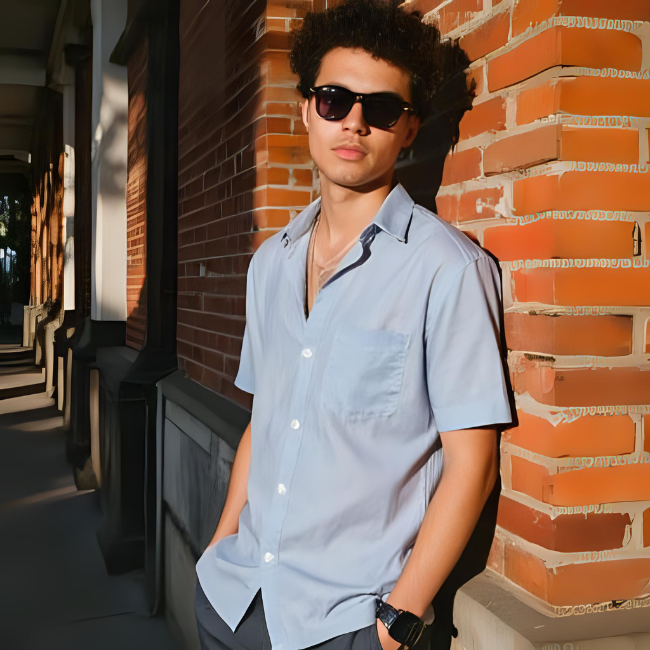

Outdoor adventures offer the perfect opportunity to combine physical activity, exploration, and personal style. Whether you're hiking through mountain trails, skiing down snowy slopes, cycling along scenic roads, or running across rugged terrain, the right outfit can make your experience more comfortable and enjoyable.
Unlike everyday activewear, outdoor sports clothing needs to adapt to changing weather, different surfaces, and varying levels of activity. Breathable fabrics, flexible layers, protective outerwear, and appropriate footwear all play important roles in creating a functional outfit.
At the same time, outdoor fashion has developed its own distinctive aesthetic. Technical jackets, lightweight hiking trousers, fleece layers, colorful cycling jerseys, and trail running shoes have become recognizable elements of modern adventure-inspired style.
The key is finding a balance between performance and appearance. A well-planned outfit should support your activity while allowing you to express your personal style through colors, silhouettes, and practical accessories.
This guide explores four outdoor and adventure sports outfit ideas, covering hiking, skiing, cycling, and trail running. You'll also discover how to build versatile outdoor wardrobes, choose suitable layers, and create stylish combinations for different environments.
Why Outdoor & Adventure Sports Outfits Matter

Outdoor sports involve more than simply choosing comfortable clothing. Weather conditions, terrain, movement, and activity intensity can all influence what you should wear.
A hiking outfit needs to accommodate long walks and changing temperatures. Ski clothing should provide insulation and weather protection. Cycling apparel needs to support comfortable riding positions, while trail running clothing should remain lightweight and allow unrestricted movement.
Three important elements define a successful outdoor sports outfit:
-
Performance: Clothing should suit the movement and physical demands of the activity.
-
Protection: Appropriate layers and materials help manage exposure to wind, rain, cold, and other environmental conditions.
-
Comfort: Proper fits, breathable fabrics, and suitable footwear help make outdoor activities more enjoyable.
Modern outdoor clothing makes it easier to combine these elements through technical fabrics, lightweight insulation, and versatile designs.
The best outfit is not necessarily the most complicated. It is the one that works comfortably for your specific adventure.
How to Build the Perfect Outdoor Sports Outfit

A simple outfit formula can help you prepare for different outdoor environments.
The Outdoor Adventure Outfit Formula:
Activity-Specific Base Layer + Flexible Mid Layer + Weather-Appropriate Outer Layer + Suitable Bottoms + Specialized Footwear
Each piece should serve a purpose.
| Activity | Essential Clothing | Important Feature |
|---|---|---|
| Hiking | Technical shirt and trekking trousers | Breathability and durability |
| Skiing | Thermal layers and ski jacket | Insulation and weather protection |
| Cycling | Cycling jersey and padded shorts | Comfort and movement |
| Trail running | Lightweight top and running shorts | Breathability and mobility |
For warm conditions, a breathable top and activity-specific bottoms may be sufficient. In colder environments, layering becomes more important.
Choose clothing based on the expected conditions rather than relying on a single outfit for every outdoor activity.
1. Hiking Outfit: Functional Layers for Mountain Adventures
Hiking is one of the most versatile outdoor activities, with outfit requirements ranging from lightweight clothing for summer trails to insulated layers for colder mountain environments.
A good hiking outfit should support comfortable movement while adapting to changes in temperature and weather.
The Classic Hiking Outfit
Start with a moisture-wicking T-shirt or lightweight long-sleeve top. Pair it with flexible hiking trousers or outdoor leggings that allow comfortable movement across uneven terrain.
A lightweight fleece or technical jacket can provide additional warmth when needed.
A practical hiking outfit includes:
-
Top: Breathable hiking shirt or moisture-wicking long-sleeve top.
-
Bottom: Stretch hiking trousers or outdoor leggings.
-
Outer layer: Lightweight wind-resistant or weather-resistant jacket.
-
Footwear: Hiking shoes or boots suitable for the terrain.
-
Accessories: Backpack, appropriate socks, and sun protection.
For a modern outdoor look, combine an olive hiking jacket with beige trekking trousers and neutral hiking shoes.
Another option is a charcoal technical top paired with black hiking leggings and a lightweight grey shell.
Earthy colors such as olive, brown, sand, and forest green create a natural outdoor aesthetic. Bright accents can add personality and improve visibility in certain environments.
The Layered Hiking Outfit

Layering is particularly useful for hikes that involve changing elevations or temperatures.
A lightweight base layer can help manage moisture, while a fleece mid layer provides insulation. A weather-resistant outer shell can be added when conditions require additional protection.
For colder hikes, consider:
-
Thermal long-sleeve base layer.
-
Fleece jacket or lightweight insulated layer.
-
Weather-appropriate shell jacket.
-
Flexible hiking trousers.
-
Warm socks and suitable hiking footwear.
The advantage of layering is that you can adjust your clothing as your activity level and surroundings change.
Styling tip: Keep the outfit coordinated with two or three complementary colors. A neutral base with one colorful jacket creates a clean, modern hiking look.
2. Skiing Outfit: Stylish Layers for Snowy Adventures
Skiing outfits combine technical clothing with a distinctive winter sports aesthetic.
A ski outfit needs to provide appropriate insulation, weather protection, and enough flexibility for movement on the slopes. Unlike ordinary winter clothing, ski apparel is designed to accommodate activity in snowy and cold environments.
The Classic Ski Outfit

A ski jacket paired with ski trousers creates the foundation of a practical skiing outfit.
Choose a jacket and trousers designed for snow sports, with suitable weather protection and room for layering.
A complete outfit may include:
-
Base layer: Thermal top and bottoms.
-
Mid layer: Fleece or insulated sweater.
-
Outer layer: Ski jacket and ski trousers.
-
Footwear: Ski boots compatible with your equipment.
-
Accessories: Helmet, goggles, gloves, and appropriate socks.
Color coordination can make the outfit feel more distinctive.
A bright red ski jacket with black ski trousers creates a classic contrast. A cream jacket paired with dark green trousers offers a more understated mountain-inspired look.
For a contemporary aesthetic, try a charcoal ski jacket with matching trousers and a contrasting base layer.
The Modern Ski Streetwear Outfit

Ski fashion often blends technical performance with relaxed silhouettes and bold color combinations.
Oversized ski jackets, color-blocked outerwear, and coordinated snow pants can create a distinctive winter sports look.
Consider these combinations:
-
Retro-inspired: Bright color-blocked ski jacket, black snow pants, and neutral accessories.
-
Minimalist: White ski jacket, charcoal trousers, and black gloves.
-
Earthy mountain style: Olive jacket, beige ski trousers, and dark accessories.
Choose pieces designed for skiing rather than relying on ordinary streetwear jackets or jeans.
Styling tip: Let the outerwear define the outfit. If your ski jacket has bold graphics or contrasting colors, keep the remaining pieces relatively simple.
3. Cycling Outfit: Streamlined Style for Outdoor Riding
Cycling clothing is designed to support comfort during rides while allowing the body to move naturally.
Whether you're cycling on roads, exploring countryside routes, or enjoying recreational rides, choosing the right clothing can improve the overall experience.
The Classic Cycling Outfit

A cycling jersey paired with cycling shorts creates a practical foundation.
Cycling jerseys are typically designed with breathable fabrics and a riding-friendly fit. Cycling shorts or bib shorts may include padding intended to improve comfort during longer rides.
A versatile cycling outfit includes:
-
Top: Breathable cycling jersey.
-
Bottom: Padded cycling shorts or bib shorts.
-
Footwear: Cycling shoes or supportive athletic shoes suited to the riding setup.
-
Accessories: Helmet, cycling gloves, and sunglasses.
For a classic road cycling look, combine a navy cycling jersey with black cycling shorts and neutral accessories.
For a more colorful outfit, choose a green or blue jersey with black shorts and coordinated socks.
The Casual Cycling Outfit

Not every cycling outfit needs to follow the traditional road cycling silhouette.
For casual rides, a lightweight athletic T-shirt paired with flexible shorts or trousers can be a comfortable alternative.
A simple combination might include:
-
Lightweight technical T-shirt.
-
Stretch cycling trousers or athletic shorts.
-
Comfortable cycling footwear.
-
Lightweight jacket for changing conditions.
This outfit works particularly well for recreational rides where a more relaxed appearance is preferred.
Styling tip: Choose clothing that remains comfortable in your riding position. Avoid unnecessary loose fabric that could interfere with the bicycle or equipment.
4. Trail Running Outfit: Lightweight Clothing for Rugged Terrain
Trail running combines running with outdoor exploration, often involving uneven surfaces, changing elevations, and different weather conditions.
Trail running clothing should be lightweight, breathable, and comfortable during continuous movement.
Unlike hiking clothing, trail running outfits generally prioritize freedom of movement and lightweight construction.
The Classic Trail Running Outfit

A technical running shirt paired with running shorts or lightweight leggings creates a versatile foundation.
Choose fabrics designed to manage moisture and dry comfortably during activity.
A practical trail running outfit includes:
-
Top: Lightweight moisture-wicking running shirt.
-
Bottom: Running shorts or flexible leggings.
-
Footwear: Trail running shoes suited to the terrain.
-
Accessories: Running cap, hydration pack, and weather-appropriate layers.
For warm weather, a sleeveless running top and lightweight shorts can create a comfortable combination.
In cooler conditions, a long-sleeve technical shirt and lightweight running jacket provide additional coverage.
The Trail Running Layered Outfit
For longer runs or changing weather, layering can make your outfit more adaptable.
A lightweight base layer combined with a packable outer jacket provides flexibility without adding excessive bulk.
Consider these combinations:
-
Warm-weather trail run: Technical T-shirt, running shorts, and trail shoes.
-
Cool-weather trail run: Long-sleeve top, running tights, and lightweight jacket.
-
Rainy conditions: Moisture-wicking base layer, suitable running shorts or tights, and a weather-appropriate shell.
Choose footwear with traction suited to the terrain. Trail running shoes differ from road running shoes because they are designed for outdoor surfaces.
Styling tip: Bright tops paired with neutral running shorts create a fresh athletic look while helping the outfit stand out visually.
How to Build a Versatile Outdoor Adventure Wardrobe
You don't need a completely separate wardrobe for every outdoor activity.
Many basic pieces can be used across hiking, cycling, trail running, and other recreational activities, provided they suit the specific conditions and requirements.
Start with these essentials:
-
Two or three moisture-wicking base layers.
-
One lightweight fleece or mid layer.
-
One weather-appropriate outer jacket.
-
One pair of hiking trousers.
-
One pair of flexible athletic shorts.
-
Activity-specific footwear.
-
Appropriate accessories for each sport.
Choose versatile colors such as black, grey, navy, olive, and beige. These shades work well together and make it easier to combine different pieces.
For example, a black technical shirt can work for hiking or trail running. A lightweight fleece can be used during outdoor walks or layered under a jacket. A weather-resistant shell can provide additional protection during different activities when suitable for the conditions.
However, specialized items such as ski clothing, cycling shorts, and trail running shoes should be selected according to their intended use.
Practical Tips for Choosing Outdoor Sports Clothing
The right outfit depends on your activity, environment, and personal comfort. Keep these practical considerations in mind when selecting outdoor sports clothing.
Prioritize suitable fabrics. Moisture-wicking materials are useful for active pursuits, while insulating layers can help maintain comfort in colder conditions.
Choose appropriate footwear. Hiking shoes, ski boots, cycling shoes, and trail running shoes serve different purposes. Select footwear designed for the activity and terrain.
Pay attention to layering. Multiple adaptable layers are often more versatile than one heavy garment.
Consider weather conditions. Wind, rain, cold, and changing temperatures can influence what you should wear.
Avoid unnecessary bulk. Clothing should support comfortable movement without restricting your activity.
Choose practical accessories. Helmets, gloves, sunglasses, and appropriate headwear can be important parts of outdoor sports clothing.
Balance style with function. Color coordination and modern silhouettes can improve the appearance of an outfit, but practical requirements should always come first.
These considerations help create outdoor outfits that are comfortable, adaptable, and suitable for the adventure ahead.
Conclusion: Find Your Style for Every Outdoor Adventure
Outdoor and adventure sports outfits combine practical performance with the freedom to express personal style.
From hiking layers and ski jackets to cycling jerseys and trail running essentials, each activity offers different opportunities to build a functional and distinctive wardrobe.
The key is to select clothing that suits the environment, supports your movement, and adapts to changing conditions.
Start with versatile essentials, invest in activity-specific pieces when necessary, and experiment with colors and layers that reflect your personal style.
Whether you're exploring a mountain trail, skiing through snowy landscapes, cycling along scenic roads, or running across rugged terrain, the right outfit can help make every adventure more comfortable and enjoyable.


.jpg)
.jpg)


.png)

.png)