
Most men overthink Thanksgiving clothes. The day itself is long, unpredictable, and full of sitting, standing, helping, and talking. The outfits that succeed are the ones that disappear into the background while still looking intentional in photos and conversation.
Here is a straightforward answer to what men should wear for Thanksgiving, built around flexible formulas instead of strict rules.
The Day Demands More Than a Nice Shirt
Think about how the hours actually unfold. You might start in a cooler morning, move into a warm kitchen, sit for a long meal, step outside for air, then settle in again. Clothes that only work in one temperature or one posture create friction.

Comfort is non-negotiable. Style still matters, but it has to serve the day rather than fight it. Soft fabrics, easy movement, and quiet colors tend to win.
One Reliable Pattern Worth Remembering
Almost every successful Thanksgiving outfit follows a quiet structure:
A soft base that feels good against the skin. A mid piece that adds texture or light warmth. An outer layer you can take off without the whole look collapsing.

When these three elements share a similar color family, the outfit stays coherent even as you adjust. That single pattern solves more problems than most men realize.
The Soft Knit Route
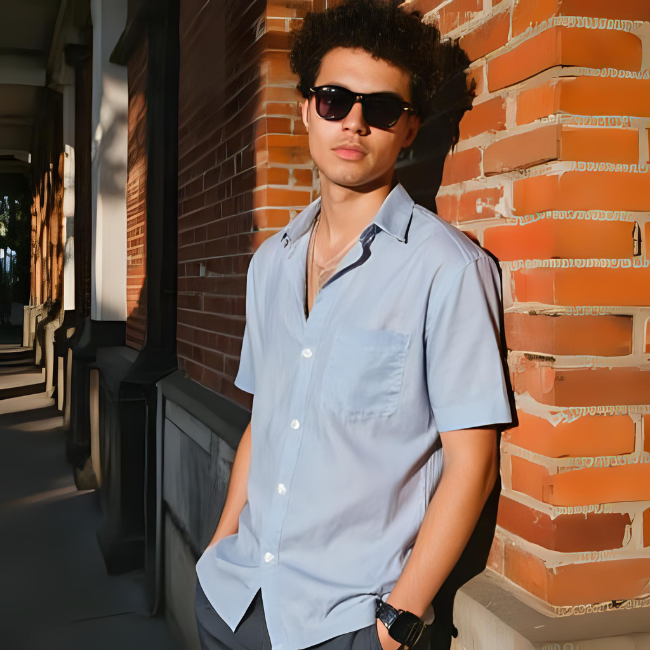
Begin with a fine merino or good cotton crewneck in cream, soft grey, or muted earth tones. Let it sit cleanly against the body. Pair it with chinos or dark jeans that have a comfortable rise and a bit of ease through the thigh.

If the room feels cool or you want more presence, add an open overshirt or light cardigan in a related color. Shoes should be ones you already trust—clean sneakers, soft loafers, or broken-in leather.
This combination rarely looks underdone and almost never feels restrictive. Many men return to it year after year with only small color changes.
When You Want a Bit More Texture
Swap the plain knit for a henley or long-sleeve tee. Layer a brushed flannel or soft corduroy shirt over it, left open. The texture immediately signals fall without requiring anything formal.
Straight trousers or well-fitting jeans complete the picture. The shirt can be removed or the sleeves rolled when the house heats up from cooking. This is one of the most adaptable approaches for gatherings where the dress level is unclear.
A Slightly Elevated Version
Some tables call for a cleaner outline. In those cases, start with a soft collared shirt or fine turtleneck. Add an unstructured sweater or lightweight blazer that does not feel stiff. Choose trousers with enough room to sit comfortably for a long meal.

The difference between this and a regular work outfit is the fabric. Everything should drape and move. Once the formal part of the evening settles, the outer layer can come off and the base still looks complete.
Building Around Warm Neutrals
Pick two or three colors that sit close together—camel with cream, olive with brown, charcoal with soft grey—and stay inside that range. Change the textures instead of the colors. A smooth knit against a brushed shirt, or a soft trouser against a more substantial outer piece, creates quiet depth.

This approach photographs calmly and reduces decision-making. It also makes layering feel deliberate rather than accidental.
Preparing for Real Temperature Swings
If the day involves outdoor time or travel between houses, treat the outer layer as essential. A thin comfortable base, a mid-weight sweater or light vest, and a soft chore coat or overcoat give you control.
The goal is the ability to add or remove pieces while the overall character of the outfit remains the same. That flexibility turns out to be more valuable than any single statement garment.
Small Choices That Quietly Improve Everything
Fit still matters most. Clothes that skim without clinging or billowing look more intentional even when the pieces themselves are simple.
Shoes should be broken-in. New footwear is a common holiday regret after the second hour of standing.

Fabrics that feel good after four or five hours—merino, quality cotton, brushed flannel—outperform anything that starts to itch or trap heat.
Keep accessories minimal. A watch is usually enough. Anything that needs constant adjustment works against the relaxed pace of the day.
A Practical Night-Before Check
Lay the full combination out, including shoes. Put everything on and move around for a few minutes. Sit. Reach. Notice any pulling or restriction. Small fixes at this stage prevent discomfort later.
Have one extra mid layer available. Homes often run warmer once people and cooking fill the rooms. Being able to simplify the outfit without looking unfinished is one of the quiet advantages of these formulas.
The Real Goal
The question of what men should wear for Thanksgiving ultimately has a simple answer: clothes that support the day. Soft bases, useful mid layers, flexible outer pieces, and warm, approachable colors create outfits that stay comfortable and look considered from morning through evening.
Choose one of the formulas that matches the tone of your gathering and the pieces already in your closet. Adjust the fit, prepare for temperature changes, and then stop thinking about the clothes. When the outfit works, the holiday itself stays in the foreground.
.jpg)
.jpg)


.png)
.png)